Category: Lajme

  • Zbulim i rrallë në Meksikë: Observator 2,500-vjeçar!

    Zbulim i rrallë në Meksikë: Observator 2,500-vjeçar!

    Një strukturë e lashtë në Meksikë mund të zbulojë sekretet e mënyrës se si qytetërimet e hershme vëzhgonin Diellin dhe organizonin jetën e tyre sipas cikleve astronomike.

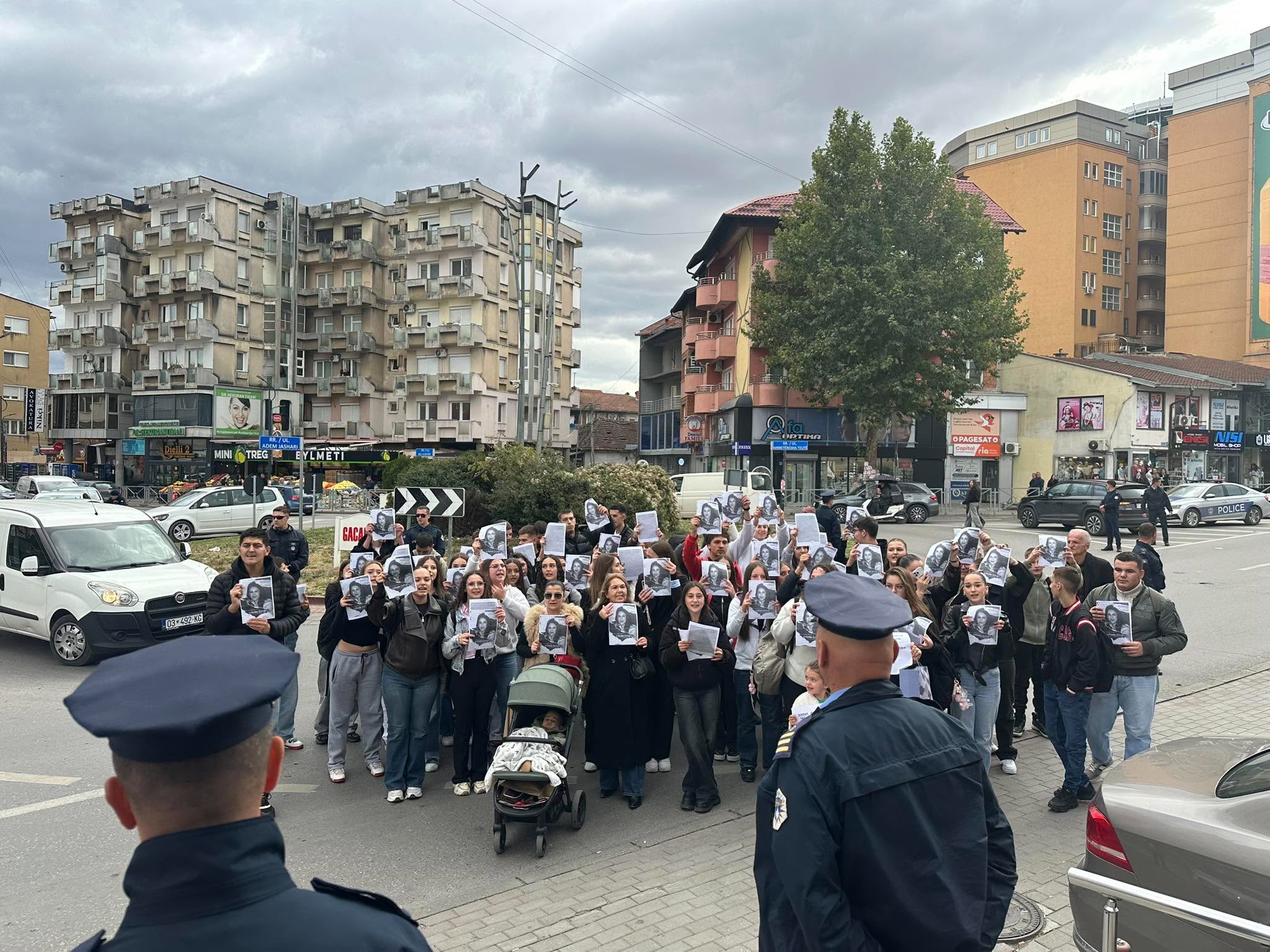
    Një zbulim i rëndësishëm arkeologjik po tërheq vëmendjen e studiuesve të historisë dhe kulturave të lashta. Në vendbanimin arkeologjik Teteles de Avila Castillo, në shtetin Puebla të Meksikës, është identifikuar një strukturë rreth 2,500-vjeçare që besohet të ketë shërbyer si observator diellor.

    Sipas raportimeve të publikuara më 26 tetor 2026 nga revista The Art Newspaper, struktura ofron të dhëna të reja për njohuritë astronomike dhe organizimin shoqëror të komuniteteve që jetonin në këtë rajon mijëra vjet më parë.

    Studiuesit po shqyrtojnë mënyrën se si ndërtesa ishte pozicionuar dhe lidhjen e mundshme të saj me lëvizjen e Diellit. Në qytetërimet e lashta të Mesoamerikës, vëzhgimi i trupave qiellorë kishte rëndësi të veçantë për përcaktimin e stinëve, organizimin e bujqësisë dhe zhvillimin e ceremonive fetare.

    Gjatë kërkimeve janë raportuar gjithashtu objekte të vendosura si oferta rituale dhe copa obsidiani, një material vullkanik që përdorej gjerësisht për vegla dhe objekte ceremoniale. Këto gjetje mund të ndihmojnë në kuptimin e lidhjeve kulturore dhe shkëmbimeve mes komuniteteve të rajonit.

    Zbulimi është i rëndësishëm sepse dëshmon se studimi i kulturave të lashta mund të sjellë ende informacione të reja për mënyrën se si njerëzit e së kaluarës kuptonin universin dhe ndërtonin marrëdhënien e tyre me natyrën.

    Megjithatë, funksioni i saktë i strukturës dhe mënyra se si ajo përdorej do të kërkojnë studime të mëtejshme arkeologjike.

    Burimi: Dukagjini

  • Rare discovery in Mexico: 2,500-year-old Observatory!

    An ancient structure in Mexico may reveal the secrets of how early civilizations observed the sun and organized their lives according to astronomical cycles.

    An important archaeological discovery is drawing the attention of scholars of ancient history and cultures. In the archaeological settlement Tetelles de Avila Castillo, in the state of Puebla, Mexico, an estimated 2,500-year-old facility believed to have served as a solar observatory has been identified.

    According to reports published on October 26, 2026 by the magazine The Art NewsparThe facility provides new data on astronomical knowledge and social organisation of communities living in this region thousands of years ago.

    Researchers are considering the way the building was positioned and its possible connection to the movement of the sun. In ancient civilizations of Mesoamerics, observing heavenly bodies was of particular importance to determining seasons, organizing agriculture, and developing religious ceremonies.

    The research also reports items placed as ritual offerings and pieces of obsidian, a volcanic material that was widely used for instruments and ceremonial objects. These findings can help in the sense of cultural ties and exchanges among regional communities.

    The discovery is important because it proves that studying ancient cultures can still bring new information on how people of the past understood the universe and built their relationship with nature.

    However, the precise function of the structure and the way it was used would require further archaeological studies.

    Source Layer: Dukeagini

  • Berisha: PD thërret protestë kombëtare të shtunën në mbështetje të studentëve dhe gjimnazistëve

    Berisha: PD thërret protestë kombëtare të shtunën në mbështetje të studentëve dhe gjimnazistëve

    Kreu i Partisë Demokratike, Sali Berisha gjatë fjalës së tij në konferencë për mediat ka bërë me dije se të shtunën, më 31 tetor do të mbahet një tjetër protestë kombëtare në mbështetje të studentëve.

    “Plotësisht dhe fuqishëm. Partia Demokratike thërret protestë kombëtare në mbështetje të studentëve. Asgjë nuk e ndan më Partinë Demokratike nga këto dy parime: mbështetje e fuqishme, mbrojtje e tyre. Ky është përcaktimi ynë”, tha ai.

    Berisha ka dënuar dhunën ndaj protestuesve duke e cilësuar si “terror dhe dhunë antikushtetuese’. Sipas tij, komisariatet e policisë po veprojnë në shkelje të plotë të ligjeve dhe Kushtetutës, duke shoqëruar dhe marrë deklarata nga qytetarët pa asnjë shkak apo motiv ligjor.

    “Së fundi, dënoj me forcën më të madhe terrorin, dhunën antikushtetuese që komisariatet në shkelje të gjitha ligjeve po ushtrojnë ndaj qytetarëve në qytete dhe kudo për pjesëmarrjen e tyre në protesta paqësore.

    Pa asnjë shkak, pa asnjë motiv, duke shkelur kode dhe Kushtetutë, marrin deklarata dhe besojnë si të verbër se me instrumentet e frikës do mund të shpëtojnë Vuçiqin shqiptar. Edi Rama, argati i Vuçiçit, apo siç e kanë quajtur, Pashiqi shqipfolës, do të ketë fatin e tij ose të Çausheskut. Duhet të zgjedhë vetë. Protestat nuk ndalen”, tha ai. /euronews.al/

  • Berisha: DP calls national protest Saturday in support of students and high schoolers

    Democratic Party leader Sali Berisha during his speech at the media conference has suggested that on Saturday, another national protest in support of the students will be held on October 31st.

    Over and over. The Democratic Party calls national protest in support of students. Nothing further separates the Democratic Party from these two principles: powerful support, protection. That’s our definition, he said.

    Berisha has condemned violence against protesters, calling it unconstitutional terrorism and violence. According to him, police commissioners are acting in full violation of the laws and Constitution, accompanying and receiving statements from citizens without any cause or motive.

    Finally, I condemn with the greatest force of terror, the unconstitutional violence that commissioners in violation of all laws are exercising against citizens in cities and everywhere for their participation in peaceful protests.

    Without cause, without any motive, violating codes and Constitutions, they receive statements and believe that with instruments of fear they can save Albanian Vuccina. Edi Rama, Vucic’s assistant, or as they have called him, Albanian-speaking Pasic, will have his or Ceausescu’s fate. He must choose for himself. Protests do not stop, he said. /euronews.al/

  • Detaje nga Supremja: Pse nuk u shqyrtuan pretendimet kundër vendimit për largimin e Kryeprokurorit Special?

    Detaje nga Supremja: Pse nuk u shqyrtuan pretendimet kundër vendimit për largimin e Kryeprokurorit Special?

    Detaje nga Supremja: Pse nuk u shqyrtuan pretendimet kundër vendimit për largimin e Kryeprokurorit Special?

    Gjykata Supreme e Kosovës ka hedhur si të palejuar ankesën kundër vendimit të Këshillit Prokurorial të Kosovës për largimin e Blerim Isufajt nga pozita e Kryeprokurorit të Prokurorisë Speciale. Megjithëse në ankesë ishin ngritur pretendime për shkelje të rënda procedurale, vendimmarrje të paracaktuar, mungesë provash dhe cenim të së drejtës për t’u dëgjuar, Supremja nuk ka hyrë në vlerësimin e tyre. Gjykata ka konstatuar se vendimi i KPK-së nuk është i natyrës disiplinore, por administrative, andaj ligjshmëria e tij duhet të shqyrtohet në një procedurë tjetër gjyqësore.

    Gazeta Sinjali ka siguruar aktvendimin e Gjykatës Supreme të Kosovës, A.A.nr.40/2026, të datës 27 tetor 2026, përmes të cilit është vendosur lidhur me ankesën e Blerim Isufajt kundër vendimit të Këshillit Prokurorial të Kosovës, të datës 2 tetor 2026.

    Vendimi është marrë nga kolegji i përbërë prej gjyqtarëve Delushe Halimi, kryetare, Faton Ademi dhe Nenad Lazić, anëtarë.

    Në dispozitivin e aktvendimit, Gjykata Supreme ka vendosur që ankesa e paraqitur kundër largimit nga pozita e Kryeprokurorit të Prokurorisë Speciale të hidhet si e palejuar.

    Por ajo që e bën këtë vendim me interes të veçantë është arsyetimi juridik mbi të cilin Supremja e ka mbështetur përfundimin e saj, duke bërë një dallim ndërmjet largimit nga një pozitë udhëheqëse dhe shqiptimit të një mase disiplinore.

    Katër arsyet mbi të cilat KPK kishte vendosur largimin

    Më 2 tetor 2026, Këshilli Prokurorial i Kosovës kishte marrë vendim për largimin e Blerim Isufajt nga pozita e Kryeprokurorit të Prokurorisë Speciale.

    Vendimi ishte mbështetur në katër konstatime të Këshillit, përkatësisht keqmenaxhimin e Prokurorisë Speciale, jokompetencën në ushtrimin e pozitës së Kryeprokurorit, dështimin në kryerjen e detyrave udhëheqëse dhe mospërmbushjen e standardeve të performancës.

    Sipas KPK-së, secila prej këtyre rrethanave, edhe e marrë veçmas, përbënte shkak ligjor për largimin nga pozita.

    Këshilli ishte mbështetur, ndër të tjera, në raportet e performancës dhe në analizën krahasimore të efikasitetit të prokurorive për periudhën 2023–2025.

    Në arsyetimin e vendimit të Supremes pasqyrohet edhe konstatimi i KPK-së se Prokuroria Speciale ishte renditur si prokuroria me efikasitetin më të ulët në nivel vendi gjatë kësaj periudhe.

    Megjithatë, largimi i Isufajt nga pozita udhëheqëse nuk kishte sjellë ndërprerjen e funksionit të tij si prokuror i shtetit, të cilin ai vazhdon ta ushtrojë në Prokurorinë Speciale.

    Pretendimet për vendim të përgatitur paraprakisht dhe mohim të së drejtës për t’u dëgjuar

    Përmes avokatit Artan Qerkini, Isufaj kishte kundërshtuar ligjshmërinë e vendimit të KPK-së, duke paraqitur një numër të konsiderueshëm pretendimesh.

    Në ankesë ishte ngritur pretendimi se vendimi ishte shkruar përpara se të zhvillohej vendimmarrja, ndërsa ankuesit i ishte mohuar e drejta për t’u dëgjuar.

    Po ashtu, ishte pretenduar se vendimi nuk mundësonte verifikimin e kuorumit, përbërjes dhe mënyrës së votimit në Këshill.

    Ankesa ngrinte edhe çështje që lidheshin me paanshmërinë e organit vendimmarrës dhe konfliktin e mundshëm të interesit.

    Një prej kundërshtimeve kryesore lidhej me vlerësimin e performancës, për të cilin Isufaj pretendonte se nuk kishte marrë formë përfundimtare.

    Sipas ankesës, vlerësimi “mjaftueshëm” nuk mund të trajtohej si vlerësim negativ dhe as të shërbente automatikisht si bazë për largimin nga pozita.

    Në kundërshtimet e tij, Isufaj kishte ngritur edhe çështjen e mungesës së individualizimit të përgjegjësisë, duke pretenduar se problemet sistemike të evidentuara në funksionimin e Prokurorisë Speciale nuk mund t’i atribuoheshin atij personalisht pa prova konkrete dhe pa përcaktimin e lidhjes shkakësore.

    Ai kishte argumentuar gjithashtu se statistikat e vetë Këshillit nuk mbështesnin përfundimet e nxjerra për performancën e tij dhe se disa nga konstatimet për keqmenaxhim nuk ishin mbështetur në fakte të individualizuara.

    Përmes ankesës ishte kërkuar që Supremja të konstatonte kompetencën e saj, ta ndryshonte vendimin e KPK-së dhe t’i mundësonte vazhdimin e mandatit si Kryeprokuror. Në mënyrë alternative, ishte kërkuar anulimi i vendimit dhe kthimi i çështjes në rishqyrtim.

    KPK kundërshtoi kompetencën e Supremes

    Në përgjigjen ndaj ankesës, Këshilli Prokurorial kishte kundërshtuar që Gjykata Supreme të vendoste për këtë çështje përmes procedurës së paraparë për ankesat disiplinore.

    Sipas KPK-së, vendimi për largimin e Isufajt nuk ishte vendim disiplinor, as për nga forma dhe as për nga përmbajtja.

    Këshilli kishte argumentuar se vendimi ishte marrë në bazë të nenit 22, paragrafi 5, të Ligjit për Këshillin Prokurorial të Kosovës, i cili i njeh këtij institucioni kompetencën për largimin e kryeprokurorëve nga pozitat udhëheqëse në rrethana të përcaktuara me ligj.

    Rrjedhimisht, KPK kishte vlerësuar se rruga e duhur për kundërshtimin e vendimit ishte procedura e konfliktit administrativ, jo ankesa e drejtpërdrejtë në Gjykatën Supreme sipas Ligjit për Përgjegjësinë Disiplinore të Gjyqtarëve dhe Prokurorëve.

    Ky argument është pranuar nga kolegji i Gjykatës Supreme.

    Supremja bën dallimin vendimtar mes largimit nga pozita dhe masës disiplinore

    Në arsyetimin e aktvendimit, Gjykata Supreme ka theksuar se natyra juridike e një vendimi nuk përcaktohet vetëm nga pasojat që ai prodhon.

    Sipas kolegjit, për të përcaktuar se cili institucion gjyqësor është kompetent, duhet të shqyrtohen baza ligjore e vendimit, përmbajtja dhe procedura në të cilën është marrë.

    Gjykata ka vlerësuar se neni 22, paragrafi 5, i Ligjit për Këshillin Prokurorial i jep KPK-së një kompetencë të veçantë për largimin e kryeprokurorëve nga pozitat udhëheqëse për shkak të performancës, keqmenaxhimit, jokompetencës apo dështimit në kryerjen e detyrave.

    Sipas Supremes, ushtrimi i kësaj kompetence nuk është i njëjtë me zhvillimin e një procedure disiplinore ndaj një prokurori.

    Gjykata ka sqaruar se përgjegjësia disiplinore rregullohet me një ligj të veçantë, i cili përcakton shkeljet, procedurat, sanksionet dhe mjetet juridike për kundërshtimin e tyre.

    Në listën e sanksioneve disiplinore të përcaktuara me atë ligj nuk parashihet si masë e veçantë largimi nga pozita udhëheqëse e Kryeprokurorit për shkak të vlerësimit të performancës.

    Rrjedhimisht, kolegji ka konstatuar se vendimi i KPK-së për largimin e Isufajt nuk mund të trajtohet si vendim disiplinor vetëm për faktin se ai ka humbur pozitën udhëheqëse.

    Pse Supremja nuk i shqyrtoi pretendimet për shkelje?

    Ky është edhe elementi më i rëndësishëm i aktvendimit.

    Isufaj kishte kërkuar që Gjykata Supreme të shqyrtonte ligjshmërinë e vendimit të KPK-së, përfshirë pretendimet për shkelje procedurale, vlerësim të gabuar të performancës, mungesë provash dhe disproporcionalitet.

    Megjithatë, Gjykata Supreme ka vlerësuar se kompetenca e saj e drejtpërdrejtë, sipas nenit 15 të Ligjit për Përgjegjësinë Disiplinore, kufizohet në shqyrtimin e ankesave kundër vendimeve të natyrës disiplinore.

    Për këtë arsye, Supremja nuk ka vendosur nëse pretendimet e Isufajt janë të bazuara apo të pabazuara. Ajo ka konstatuar se ankesa nuk mund të shqyrtohej në këtë procedurë.

    Ky dallim është thelbësor për kuptimin e vendimit, pasi hedhja e ankesës si të palejuar nuk përbën konfirmim gjyqësor të ligjshmërisë përmbajtësore të vendimit të KPK-së.

    Në të njëjtën kohë, aktvendimi nuk përbën as konstatim se KPK ka vepruar në kundërshtim me ligjin.

    Çështja e ligjshmërisë së vendimit mbetet e ndarë nga ajo e kompetencës së gjykatës që duhet ta shqyrtojë.

    Cila është rruga ligjore pas vendimit të Supremes?

    Në përfundim të arsyetimit, Gjykata Supreme ka konstatuar se vendimi për largimin e Kryeprokurorit nga pozita udhëheqëse ka karakter administrativ.

    Për këtë arsye, sipas saj, ligjshmëria e vendimit të KPK-së mund t’i nënshtrohet kontrollit gjyqësor në procedurën e konfliktit administrativ, para gjykatës kompetente sipas legjislacionit në fuqi.

    Supremja nuk ka vendosur për kthimin e Isufajt në pozitën e Kryeprokurorit dhe as për anulimin e vendimit të Këshillit Prokurorial.

    Ajo është kufizuar në konstatimin se ankesa e paraqitur drejtpërdrejt në këtë gjykatë, mbi bazën e dispozitave për përgjegjësinë disiplinore, nuk është mjet juridik i lejueshëm për këtë lloj vendimi.

    Kështu, vendimi i 27 tetorit nuk e zgjidh përfundimisht kontestin mbi ligjshmërinë e largimit të Isufajt, por përcakton se ai nuk mund të shqyrtohet nga Supremja në procedurën e zgjedhur nga ankuesi.

    Me këtë aktvendim, mbetet në fuqi vendimi i KPK-së për largimin nga pozita udhëheqëse, ndërsa mundësia e kontrollit gjyqësor të ligjshmërisë së tij lidhet me procedurën e konfliktit administrativ.

    Vendimi i Supremes, përtej rastit konkret, sjell një sqarim të rëndësishëm juridik mbi dallimin ndërmjet përgjegjësisë disiplinore të prokurorëve dhe kompetencës së Këshillit Prokurorial për të vlerësuar e vendosur mbi vazhdimin e mandateve udhëheqëse në sistemin prokurorial.

    Sinjali – aty ku e vërteta flet para lajmit!

    /GazetaSinjali/

    Burimi: Sinjali

  • Details from the Supreme: Why were not claims against the Special Prosecutor’s decision to resign?

    The Supreme Court of Kosovo has falsely filed a complaint against the Kosovo Prosecutorial Council’s decision to oust Blerim Isufaj from the position of chief Special Prosecutor. Although claims had been filed on serious procedural violations, predetermined decision making, lack of evidence and violation of the right to be heard, the Supreme has not entered their assessment. The court has found that the KPK’s ruling is not of disciplinary nature, but administrative, so its legality should be considered in another judicial procedure.

    The signal paper has secured the decision of the Supreme Court of Kosovo, A.A.n.40/2026, on October 27th 2026, through which it has been decided over Blerim Isufaj’s complaint against the Kosovo Prosecutorial Council’s decision of October 2, 2026.

    The decision was made by college consisting of judges Delushe Halimi, chairman Faton Ademi and Nenad Laziić, members.

    In the decision-making device, the Supreme Court has ruled that the complaint filed against the departure of the chief prosecutor of the Special Prosecutor’s office be dismissed as illegal.

    But what makes this decision of particular interest is the judicial reasoning upon which the Supreme Court has supported its conclusion, making a distinction between leaving a leadership position and pronunciation of a disciplinary measure.

    Four reasons that KKP had decided to leave

    On October 2nd, 2026, the Kosovo Prosecutorial Council had decided on the departure of Blerim Isufaj from the position of chief Special Prosecutor.

    The decision was based on four Council findings, the Special Prosecutor’s Mismanagement, non-competition in the exercise of the chief prosecutor’s position, failure to carry out leadership duties and non-fulfilling performance standards respectively.

    According to the KKP, each of these circumstances, even taken separately, constituted a legal cause for departure from office.

    The council was supported, among other things, in performance reports and in the comparison analysis of the prosecution’s efficiency for the period 20232025.

    The Supreme decision is also reflected in the KPK’s conclusion that the Special Prosecutor was listed as the country’s lowest efficiency prosecutor during this period.

    However, Isufaj’s departure from the leadership position had not brought a break to his post as state prosecutor, which he continues to exercise at the Special Prosecutor.

    Claims of decision prepared in advance and denial of the right to be heard

    Through lawyer Artan Qerkeyni, Isufaj had opposed the legality of the KPK decision, presenting a considerable number of claims.

    The claim was filed that the decision was written before decision making was carried out, while the complainers had been denied the right to listen.

    It was also claimed that the decision did not enable the verification of quorum, composition and voting in the Council.

    The complaint also raised issues related to the impartiality of the decision – making body and possible conflict of interest.

    One of the main objections was to the performance assessment, which Isufaj claimed had not received final form.

    According to the complaint, the assessment could not be treated as a negative assessment, nor could it automatically serve as a basis for leaving office.

    In his objections, Isufaj had also raised the issue of a lack of individualisation of responsibility, claiming that systemic problems recorded in the functioning of the Special Prosecutor could not be attributed to him personally without concrete evidence and without the definition of the cause link.

    He had also argued that the Council’s own statistics did not support the conclusions drawn for its performance, and that some of the findings for mismanagement were not based on individualised facts.

    Through the complaint, it was required that the Supreme judge claim its competence, change the KPK’s decision, and allow the term as chief prosecutor to continue. Alternatively, an annulment of the decision was required and the return of the matter to review.

    KKPK rejected Supreme competence

    In response to the complaint, the Prosecutorial Council had declined to have the Supreme Court decide on the case through the initial procedure on disciplinary complaints.

    According to the KKP, the decision to remove Isufaj was not a disciplinary decision, neither in form nor in content.

    The council had argued that the decision was taken on the basis of Article 22, paragraph 5 of the Law for the Kosovo Prosecutorial Council, which recognises this institution the competence of the chief prosecutor’s departure from leadership positions under legally defined circumstances.

    Consequently, the KKP had estimated that the right path for opposing the decision was the procedure of administrative conflict, not direct complaint to the Supreme Court under the Law for Discipline of Judges and Prosecutors.

    This argument was accepted by the Supreme Court college.

    The Supreme One makes a crucial distinction between turning away from position and discipline

    In reasoning about the decision, the Supreme Court noted that the legal nature of a decision is not determined solely by the consequences it produces.

    According to the college, to determine which judicial institution is competent, the legal basis of the decision, content, and procedure in which it is taken should be considered.

    The court has estimated that Article 22, paragraph 5, of the Law for the Prosecutorial Council, gives the KKP a special competence for the removal of chief prosecutors from leadership positions due to performance, mismanagement, noncompetency or failure to perform tasks.

    According to the Supreme One, exercising this component is not the same as developing a disciplinary procedure against a prosecutor.

    The court has clarified that the disciplinary responsibility is regulated by a special law specifying violations, procedures, sanctions and legal means for their opposition.

    On the list of disciplinary sanctions stipulated by that law is not provided as a special measure of departure from the chief prosecutor’s leadership position because of the performance assessment.

    Consequently, the college has found that the KKP’s decision to oust Isufaj cannot be treated as a disciplinary decision only to the fact that he has lost leadership.

    Why did the Supreme One not examine claims of wrongdoing?

    This is also the most important element of decision – making.

    Isufaj had demanded that the Supreme Court examine the legality of the KPK decision, including claims of procedural violations, wrong performance assessment, lack of evidence and disproportionateness.

    However, the Supreme Court has estimated that its direct competence, according to Article 15 of the Law for Disciplinary Responsibilities, is limited to considering complaints against decisions of disciplinary nature.

    For this reason, the Supreme One has not decided whether Isufaj’s claims are based or baseless. She has found that complaints could not be considered in this procedure.

    This difference is essential to the understanding of the decision, as throwing the complaint as illegal does not constitute judicial confirmation of the integrity of the KPK ruling.

    At the same time, the ruling is not even a conclusion that the KKP has acted contrary to the law.

    The issue of legitimacy of the decision remains divided by that of the tribunal’s competence that should be considered.

    What is the legal way after the Supreme decision?

    At the conclusion of the argument, the Supreme Court has found that the decision to remove the chief prosecutor from the leadership has administrative character.

    For this reason, according to her, the legality of the KPK decision could undergo judicial control in the procedure of administrative conflict, before competent judges under legislation in force.

    The Supreme has not decided to return Isufaj to the chief prosecutor’s position, nor to cancel the prosecutorial Council’s decision.

    It is limited to the agreement that the complaint filed directly in this court, on the basis of provisions for disciplinary responsibility, is not a legal means for this kind of decision.

    Thus, the October 27th ruling does not finally settle the dispute on the legality of Isufaj’s departure, but stipulates that he cannot be considered by the Supreme in the procedure chosen by the complainer.

    With this ruling, the KKP’s decision to leave the leadership position remains in force, while the possibility of judicial control of its legitimacy lies with the procedure of the administrative conflict.

    The Supreme Court’s decision, beyond concrete circumstances, brings a significant judicial clarification on the difference between the disciplinary responsibility of prosecutors and the jurisdiction of the Prosecutorial Council to assess and decide on the continuation of the governing mandates in the prosecutorial system.

    The signal where the truth speaks before the news!

    /Gazeta Sinjali/

    Source Layer: Signal
  • Nxënësit protestojnë para Gjykatës në Pejë, ku mbahet seanca ndaj ish-bashkëshortit të Arlinda Zekajt

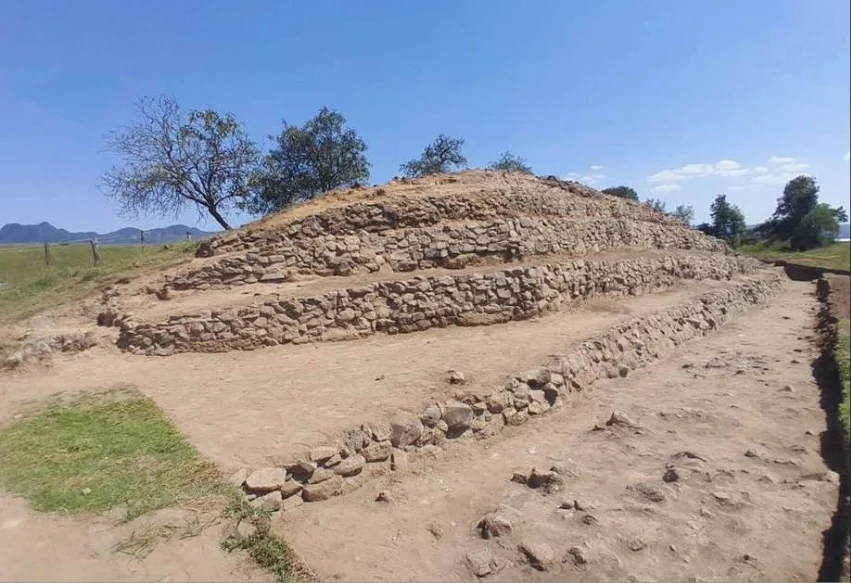
    Nxënësit protestojnë para Gjykatës në Pejë, ku mbahet seanca ndaj ish-bashkëshortit të Arlinda Zekajt

    Para Gjykatës në Pejë dhjetëra vajza dhe djem po protestojnë në shenjë reagimi për vrasjen e Arlinda Zekajt, derisa ata janë parë edhe me lot në sy.

    Protesta po zhvillohet pak para nisjes së seancës dëgjimore për caktimin e masës së paraburgimit ndaj ish-bashkëshortit të Arlinda Zekajt, e cila pritet të mbahet sot në orën 14:00.

    Në objektin e Gjykatës janë vendosur edhe zyrtarë të Policisë së Kosovës, në prag të nisjes së seancës.

    Burimi: Dukagjini

  • Students protest before Court in Pec, where hearings are held against former husband of Arlinda Zekaj

    Tens of girls and boys are protesting the reaction to the murder of Arlinda Zekiaj in Pate, until they are seen with tears in their eyes.

    The protest is taking place just before the start of the hearing for the appointment of the detention move against former husband of Arlinda Zekinaj, who is expected to be held today at 2: 00 p.m.

    Kosovo Police officials, on the eve of the start of the session, have also been placed in the tribunal’s facility.

    Source Layer: Dukeagini

  • Real Madrid prepares the big blow, Mourinho seeks out Liverpool star

    REal Madrid has placed Alexis Mac Allister at the top of the list of wishes for midfield reinforcement. According to reports Sky Sporte, Coach Jose Mourinho fully supports the transfer of 27-year-old Argentinians, who he sees as the player who can provide more organisation and safety with the Madrilen midfield, broadcast Klankosova.tv.

    Liverpool is not expected to allow the quitter, who has the contract until June 2028.

    Mac Allister has recorded 23 goals and 21 assistings in 162 presentations with Liverpool’s fanla since his arrival from Brighton in 2023.

    However, the fact that there are no talks so far on continuing the contract can give Real Madrid hope to transfer it into the future.

  • 'Të mos...', Gaxherri: Sot ndodhi me Arlindën, nesër mund të ndodhë me secilin prej nesh (VIDEO)

    ‘Të mos…’, Gaxherri: Sot ndodhi me Arlindën, nesër mund të ndodhë me secilin prej nesh (VIDEO)

    'Të mos...', Gaxherri: Sot ndodhi me Arlindën, nesër mund të ndodhë me secilin prej nesh (VIDEO)

    Gazetari Ardian Gaxherri, ka komentuar rastin e vrasjes së Arlinda Zekajt në Pejë, duke bërë thirrje që rasti të mos harrohet pas disa ditësh dhe që qytetarët të kërkojnë përgjegjësi nga institucionet.

    Ai u shpreh në “Kosova Today”, se shoqëria nuk duhet të heshtë për raste të tilla, pasi, sipas tij, ajo që sot i ka ndodhur Arlinda Zekajt, nesër mund t’i ndodhë dikujt tjetër.

    “…Kurti e di që tek ne, fatkeqësisht, si popull, çdo çudi zgjat tri ditë. Ne duhet të jemi aq të vetëdijshëm sa të mos heshtim në raste të tilla, sepse sot ka ndodhur me Arlindën, nesër mund të ndodhë me ne. Nuk duhet ta kuptojmë se shteti ekziston vetëm për të na administruar, por edhe për të na mbrojtur”, ka deklaruar Gaxherri.